Recently in Travel Preparations Category

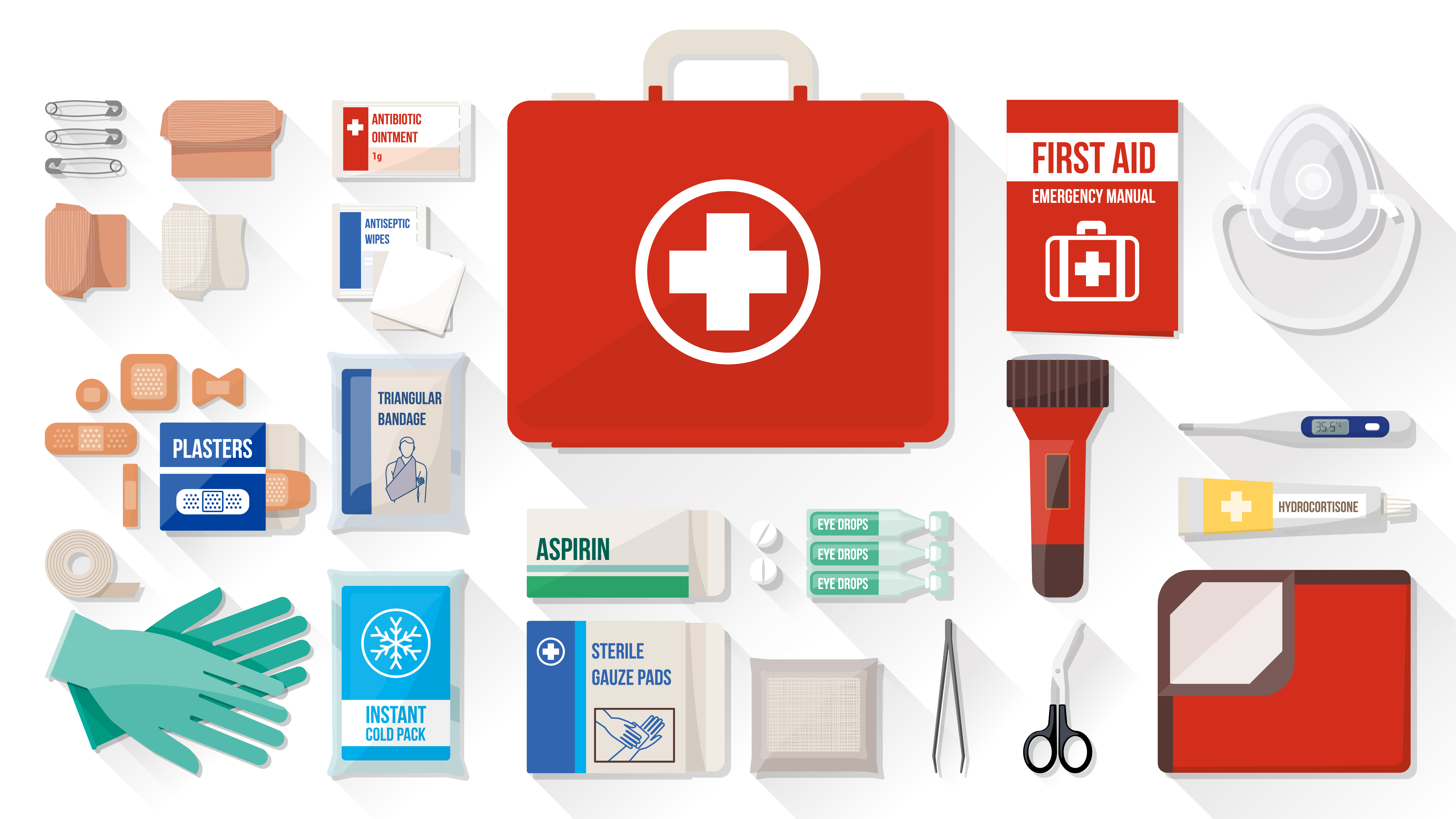
One thing I had trouble finding in China was first aid supplies. I brought some of my own, but the pharmacy is a confusing place and you can't expect to find the plethora of supplies available at any Longs Drug, Walgreens, or various other stores that are spread across the Western world. Unless you want to make a trip to either Carefour (the Chinese Wal-mart) or track down the occasional Wal-mart; it's much better to come prepared. Based on my own experience both providing medical needs to others and bumming first aid supplies I forgot to bring, here's a good list of stuff you should pack, without burdening your suitcase too much.

Over-the-Counter Drugs

Headache remedies are a must - you won't easily find the brand you prefer in China, so bring Tylenol, Bayer, Advil, or whatever it is that cures your aches and pains.

Diarrhea medicine is something i thankfully never needed, but frequently passed out to others I traveled with. Definitely pack some, or someone (possibly you) will be sorry.

Histamine blockers are useful for unfamiliar pollens and allergens. You may discover allergies you never knew you had while traveling abroad.

Decongestants will be a life saver when you or someone you know succumbs to the polluted air in many parts of China.

First Aid Supplies

Hand sanitizer is a must because you won't find many public restrooms with soap (and the truly public restrooms are best avoided anyway).

Antibacterial ointments and hydrogen peroxide are a good thing to have to keep cuts from getting infected.

A small box of assorted bandages, some cotton bandages, and bandaging tape all come in handy for minor cuts and blisters.

Grooming tools like nail scissors, finger nail clippers, and tweezers all come in handy both for intended purposes and playing nurse.

If you have any prescription medications you are required to take, bring enough for your trip and a little extra so that you don't run out in the event of an emergency. Of course, consult your physician and pharmacist for any specific needs you might have.

"I'm packing for China and I want to know what the maximum weight requirements are for my suitcases"

The times I've traveled to China the maximum weights for checked luggage were similar to requirements in the U.S., which I believe are typically 70 lbs. If you happen to take flights between cities in China, things may get more complicated because they intra-China flights often have luggage requirements for far less weight (typically about 50 lbs.). If you have several flights after arriving in China, plan to pack for for the more strict airline requirements. Otherwise you may be paying a fine for your overweight bags.

One thing I did during my travels was leave luggage in storage at one hotel in Beijing while I traveled to other parts of China. I picked it up when I checked back into the hotel a week later. This had the advantage of not needing to lug extra stuff, but with the potential risk of something happening to the suitcase while I was absent. It worked out great and I'd likely do the same thing next time if it were an option.

"What vaccinations, immunizations and physical examinations are required for visiting China?"

Unless you are staying in China for longer than a year on a work related or university study program, there are no specific immunizations or proof of health required when entering China. Persons known to have AIDS, syphilis, tuberculosis, leprosy, mental disorders or known contagious diseases may be barred from entering the country. The United States Center for Disease Control recommends several vaccinations for persons visiting China, Japan, Korea, and Mongolia, but again, these are recommendations not requirements.

The CDC recommends the following vaccinations:
Hepatitis A
Hepatitis B
Japanese Encephalitis
Malaria
Rabies
Typhoid
Boosters for Tetanus-diphtheria and Measles as needed

Most of those recommendations are necessary for traveling in rural regions. For visiting major cities in China, like Beijing or Shanghai, the two vaccinations to consider would be Hepatitis A and Hepatitis B. While these are solid guidelines, be sure to discuss your specific medical needs with your physician.

"What travel documents do I need to visit China and how do I get them?"

Traveling to most countries requires a valid Passport. For travel to anywhere in China, it is required your passport be valid for at least 6 more months following your application for a Chinese visa. You are also required to have at least one blank page in your passport (for affixing the Chinese visa). If you do not currently have a valid passport, you'll need to obtain one before applying for a visa to enter China. For US citizens, the Department of State provides instructions on where and how to obtain a passport in your state.

To obtain a visa to enter China, you need to either apply at a local visa office in the Embassy or Consular office in your district or hire an authorized travel/visa agent to act on your behalf. Note these offices are typically closed on U.S. national holidays as well as Chinese national holidays.

When applying for a visa, you need to provide your passport, a passport photo to be attached to your application, your visa application and any required supporting documents (like letters of admission or invitation). In some special circumstances additional information may be required.

Here's a list of Consulate and Embassy locations with the regions and states they serve.
Chinese Consulate in New York, NY serves the following states: Connecticut, Maine, Massachusetts, New Hampshire, New Jersey, New York, Ohio, Pennsylvania, Rhode Island, Vermont.

Chinese Consulate in Chicago, IL serves the following states: Colorado, Illinois, Indiana, Iowa, Kansas, Michigan, Minnesota, Missouri, Wisconsin

Chinese Consulate in San Francisco, CA serves the following states and regions: Alaska, Northern California, Nevada, Oregon, Washington

Chinese Consulate in Los Angeles, CA serves the following states and regions: Arizona, Southern California, Hawai, New Mexico, Pacific Islands

Chinese Consulate in Houston, TX serves the following states: Alabama, Arkansas, Florida, Georgia, Louisiana, Mississippi, Oklahoma, Texas

Chinese Embassy in Washington D.C. serves the following states: Washington DC, Delaware, Idaho, Kentucky, Maryland, Montana, Nebraska, North Carolina, North Dakota, South Carolina, South Dakota, Tennessee, Utah, Virginia, West Virginia, Wyoming

For people living outside the United States, consult the Chinese Embassy in your country for more complete instructions on applying for a visa to enter China.

"Can use my credit card in China? Are there any hidden fees for buying stuff with credit card in another country?" The short answer is, yes, you can use your credit card in China. Hotels and restaurants tied to hotels make it easy to use your credit card for payment. Credit card companies typically charge some kind of small international processing fee for overseas transactions, but it's usually very modest. Outside of major hotel chains, using a credit card gets a little more complicated. Many of the places I tried to use my credit card in China, including clothing retailers and bookstores, were very suspicious if the signature on the back of my card didn't look exactly the same as the one I had just written on the sales receipt. There were also many places I went where credit cards simply weren't accepted methods of payment. There are plenty of ATM machines around, so obtaining additional RMB for cash purchases was no problem.
Beijing Travel